Real-Time Video Review: Why Creative Teams Are Ditching Email Threads
Email was never built for frame-accurate feedback on a 90-second brand film. That era is ending fast, and the teams who have switched are not going back.
.png)
Picture this. Your team delivers a rough cut to the client on a Friday afternoon. By Monday morning, there are three email threads running simultaneously, two of which contradict each other. One stakeholder sent feedback by replying to the wrong thread. Another described a visual problem in four sentences of text when a single pinned comment on the actual frame would have done it in two words.
Sound familiar? If you work in video production, post-production, advertising, or animation, it probably does. Email threads got the job done, barely, and for a long time that was good enough. But the creative industry has grown more complex, file formats have gotten heavier, teams have gone remote, and client expectations around turnaround have accelerated. General communication tools are showing their age.
McKinsey research found knowledge workers spend 28% of their workday on email management alone The Social Economy (McKinsey Global Institute) time that compounds further when that email is the mechanism for creative feedback that inherently requires visual, frame-level context.
What is replacing them is a category of purpose-built video review software designed specifically around how creative feedback actually works. The shift is not subtle anymore. Teams that have made the switch rarely go back.
Key Takeaways
- Email has no concept of timecode. A note like 'the logo entrance feels slow' could mean the animation timing, motion path, easing function, or frame hold duration, four separate fixes.
- Synchronized real-time review means everyone in the session is on the same frame simultaneously. When one person pauses, everyone pauses. Annotations appear live on every screen.
- Zoom screen sharing is not synchronized review. Screen sharing degrades quality at the exact moments you need frame-level precision most.
- Remote work, rising content volume, and higher production quality expectations have made purpose-built video review tools a competitive necessity, not a nice-to-have.
The Real Cost of Using Email for Video Feedback
The problem with email is not that it is bad software. It is that it was built for words, not for frames. When you are reviewing a video, the feedback is inherently spatial and temporal. A comment like 'the logo entrance feels slow' could mean the animation timing is off, the motion path is wrong, the easing function is incorrect, or the frame is being held too long before the next cut. Without the ability to point to a specific timecode or draw directly on the frame, both sides end up guessing.
A Typical Email Review Cycle
Client watches v3 of a 60-second brand film and replies via email with seven bullet points of feedback, three of which reference 'the middle section.' The editor spends 40 minutes on a call trying to understand exactly which frames they are referring to before making a single change. v4 goes out. Client says two of the seven issues are still there. The editor disagrees because the brief had changed between messages. A second call is scheduled. The cycle continues.
This is not a workflow problem unique to one team. It is structural. Email has no concept of a timecode. It cannot anchor feedback to a specific frame. Version control exists only in the subject line, which people inevitably stop updating. And when multiple stakeholders are involved, feedback arrives in sequence rather than together, making each round of revisions a moving target.
The wasted hours add up. More critically, miscommunication adds revision cycles, and revision cycles erode margins, delay delivery, and quietly damage client relationships.
Why the Creative Industry Needs Its Own Tools
There is a meaningful difference between a collaboration tool and a creative collaboration tool. General platforms like email, Slack, or Google Drive were designed for broad communication across business functions. They do many things reasonably well. But they were not designed with the specific needs of a post-production pipeline in mind.
Creative teams work with file formats that are not always shareable via a simple Drive link at full quality. They review content where the difference between one frame and the next actually matters. They operate in workflows where a comment from a client needs to be traceable to a specific moment in time within the content itself, not buried in a thread somewhere below an unrelated reply.
The industry has recognised this gap. Over the past few years, a wave of video review tools has emerged to fill it. These platforms share a common design philosophy: put the content at the centre of the conversation, and build communication tools around it, not the other way around.
What Synchronized Real-Time Review Actually Changes
Of all the features purpose-built video review tools offer, synchronized real-time review is the one that produces the most immediate change in how teams work.
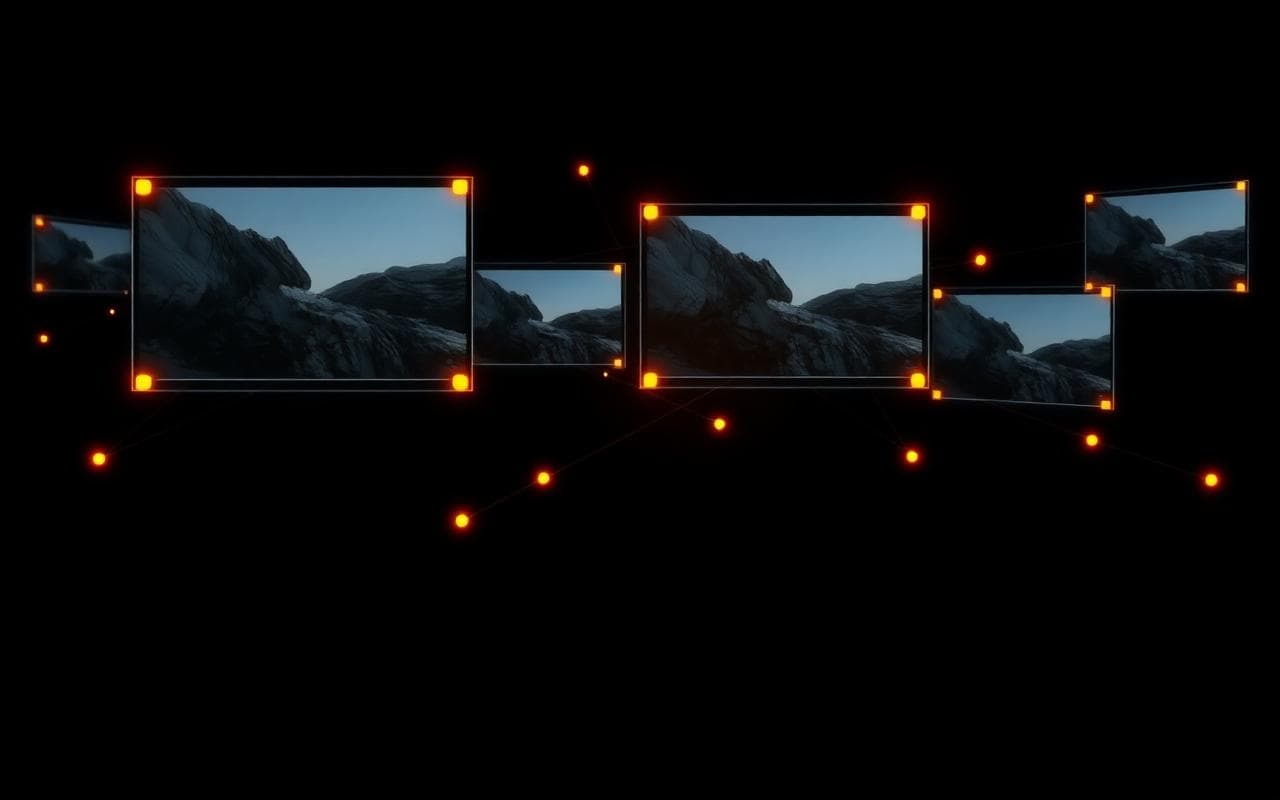
The concept is straightforward but powerful. Instead of a client downloading a file, watching it alone, writing feedback, emailing it across, and hoping the editor interprets it correctly, everyone joins a synchronized review session. If the client is at frame 846, everyone in the session is at frame 846. The playback is shared. The experience is shared. Feedback happens in context, on the frame, in the moment.
This is not screen sharing over Zoom. Screen sharing lags, degrades in quality at the exact moments you need precision the most, and still requires someone to narrate what they are seeing rather than pointing to it. Synchronized review keeps everyone in a purpose-built environment designed for the content being reviewed, with annotation tools, frame-accurate commenting, and a shared visual context from start to finish.
The result is that a feedback session that previously required two or three follow-up calls to clarify can often be resolved in a single synchronized session. The edit brief that comes out of that session is cleaner because both sides were looking at the same thing at the same time when the notes were being made.
ReviewRoom: Built for the Way Creative Teams Actually Work
ReviewRoom is built specifically around the synchronized review workflow. The core idea is that review sessions should feel like being in the same room, regardless of where participants are located.
When a sync session is started in ReviewRoom, all participants see the same frame simultaneously. There is no ambiguity about what is being discussed. Comments and annotations are tied to specific frames, so when a client says 'the colour grade feels too cool in the transition,' that feedback lives at the exact timecode where the transition happens, not in a separate document or thread that someone has to cross-reference later.
This matters particularly for the kinds of projects creative teams work on daily: commercials, brand films, social content, motion graphics, animation. These are formats where nuance lives in individual frames, where a single-frame timing difference in a logo animation can make the difference between a cut that feels polished and one that feels slightly off. Feedback tools need to operate at that level of precision.
The Bigger Shift: From Reactive to Intentional Review
Something changes in client feedback when the review environment changes. When someone is writing notes in an email, they tend to write stream-of-consciousness observations after the fact. The video has already finished playing. Their feedback is retrospective and often imprecise.
When the same client is in a synchronized review session and can pause, rewind, annotate, and discuss in the moment, the quality of feedback improves noticeably. Comments become more specific. Questions get answered in real time rather than spawning a new thread. The client becomes a participant in the process rather than an external party reacting to a delivery.
This shift matters more than it might seem. Clearer feedback means fewer revision rounds. Fewer revision rounds mean faster delivery. Faster delivery with less confusion means stronger client relationships and, ultimately, more margin on the project.
Studios and agencies that have moved their review process to purpose-built tools consistently report reducing revision cycles, not because their editors got better overnight, but because the communication finally matched the precision the work requires.
This Is Not a Niche Problem Anymore
A few years ago, investing in a dedicated video review tool felt like a nice-to-have for larger studios. That calculus has changed. Remote work has normalised distributed teams and clients. Content volume has increased significantly across virtually every industry that produces video. And the production quality bar, even for social media content, has risen.
The teams still managing video feedback through email and Zoom calls are not just being inefficient. They are operating with a genuine competitive disadvantage in terms of turnaround speed, revision clarity, and the overall client experience they are able to deliver.
The barrier to switching is lower than ever. Tools like ReviewRoom are built to be approachable, not to require months of onboarding or enterprise procurement cycles. Getting a team from email-based review to synchronized real-time review is now a matter of days, not quarters.
The Bottom Line
Email threads are not going away. They are still useful for coordinating schedules, sending briefs, managing invoices. But for frame-by-frame video feedback involving multiple stakeholders with different levels of technical fluency and different time zones? They were always the wrong tool. The industry just did not have a better option for a long time.
It does now. Synchronized real-time video review is not a feature anymore. For creative teams serious about the quality of their process, it is rapidly becoming the baseline expectation.
If your current review workflow involves any version of 'can you just hop on a quick call so I can explain the feedback,' it might be time to take a closer look at what purpose-built review tools have become.
Frequently Asked Questions
Q: What is synchronized real-time video review?
A: It is a shared review session where all participants see the same frame simultaneously, with synchronized playback controls. When one person scrubs or pauses, everyone follows. Comments and annotations appear live, anchored to specific frames, so feedback happens in context rather than after the fact in a separate email.
Q: How is synchronized review different from screen sharing on a Zoom call?
A: Screen sharing compresses video quality and requires the reviewer to narrate what they are seeing. Synchronized review in a tool like ReviewRoom delivers full-quality playback to each participant independently, with a shared playback state. Annotations go directly on the frame, not over compressed video.
Q: How quickly can a team switch from email review to synchronized real-time review?
A: Days, not quarters. Tools like ReviewRoom do not require onboarding cycles or enterprise procurement. Clients need no accounts. The switch is a single workflow decision, and most teams notice the difference on the very first live session.
Try ReviewRoom free
Review your next cut without the email thread — real-time annotations, frame-accurate comments, free to start.
Start Collaborating Free