Video Review & Creative Workflow Resources & Guides
Practical guides on frame-accurate feedback, secure video sharing, and proxy-free review.
For video editors, creative studios, and freelancers — from the team behind ReviewRoom.

Stop Sending Google Drive Links: Share Password-Protected Demo Reels for Free
Google Drive cannot stop others from sharing content once they have accessed it. Here is how to share your demo reel with password protection, browser-only playback, and instant revocation.
Synchronized Playback, Live Annotations, Sub-Second Latency: What Real-Time Review Actually Requires
Synchronized playback, live annotations, and sub-second latency are the three things that separate true real-time review from faster email. Here is why editors and VFX teams are switching.
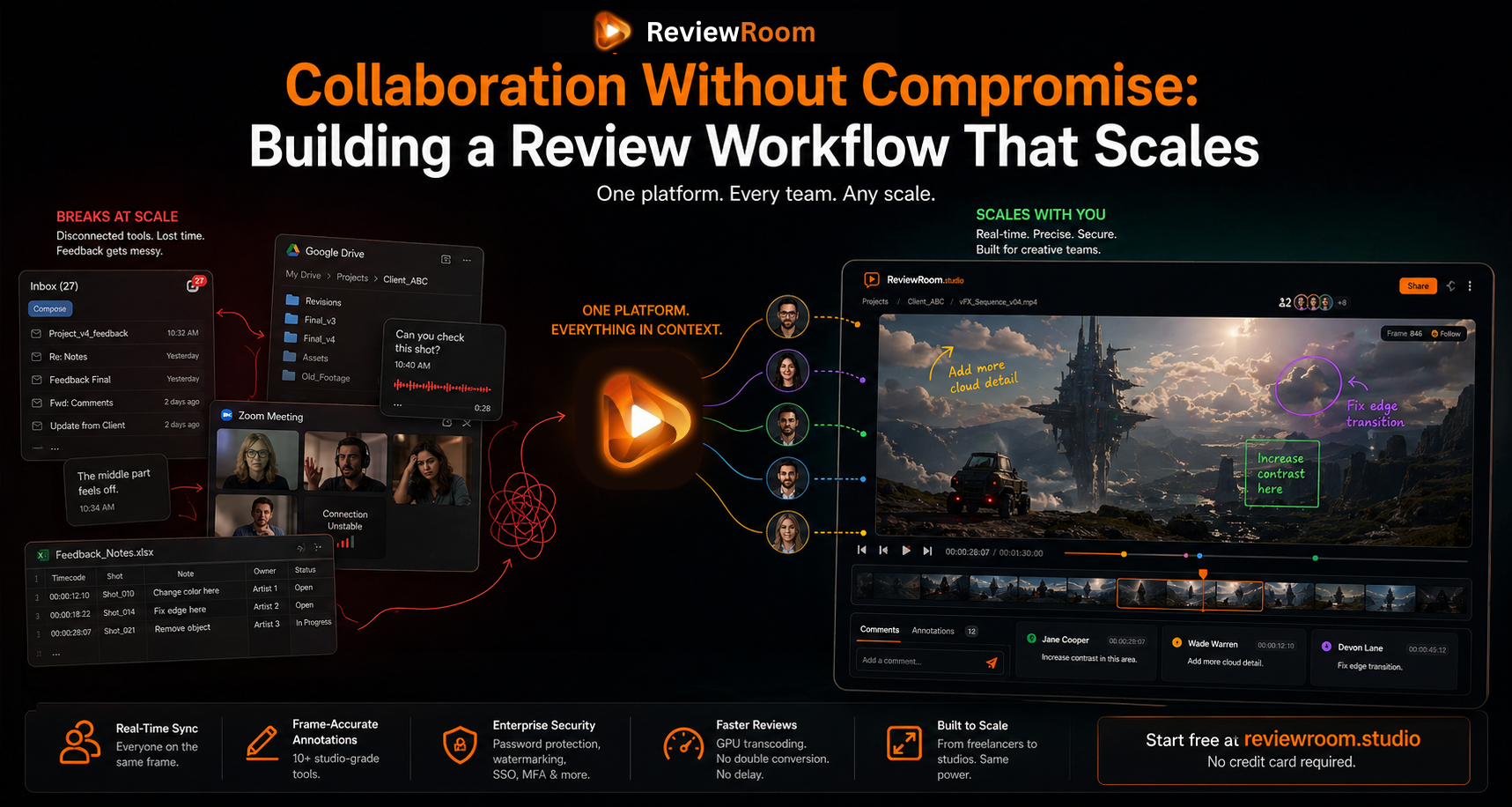
Collaboration Without Compromise: Building a Review Workflow That Scales
The double conversion problem burns 30 to 60 minutes per review cycle before anyone sees a frame. Here is how to build a review workflow that scales from solo freelancer to multi-studio production.
Frame-Accurate Feedback: Why Timecodes Beat Email Threads
Vague notes cost editors hours of guesswork. A timecoded note at frame 1:42:08 is unambiguous. Here is why frame-accurate feedback is the most impactful upgrade a creative team can make.

How to Review R3D and BRAW Files Without Proxies
Proxy workflows add 30 to 60 minutes of overhead per review cycle on EXR and ProRes projects, purely as setup before anyone sees a frame. Here is how to skip that step entirely with local GPU transcoding.

The Best Video Review Tool for Freelancers in 2026
Google Drive links give clients a free download of your edit. Here is why $5 per month for frame-accurate, password-protected review is the highest-ROI upgrade a freelance video editor can make.
The Best Review Tool for Design Studios in 2026
Design studios produce stills, motion, and brand materials for the same client. Using separate review tools per format means scattered feedback and multiple logins. Here is one workspace that handles all three.

How Photographers Can Share Work and Get Client Approvals Without the Back-and-Forth
When clients do not have a proper way to review images, they send vague descriptions and you spend days chasing answers. Here is how photographers get clear approvals without the back-and-forth.
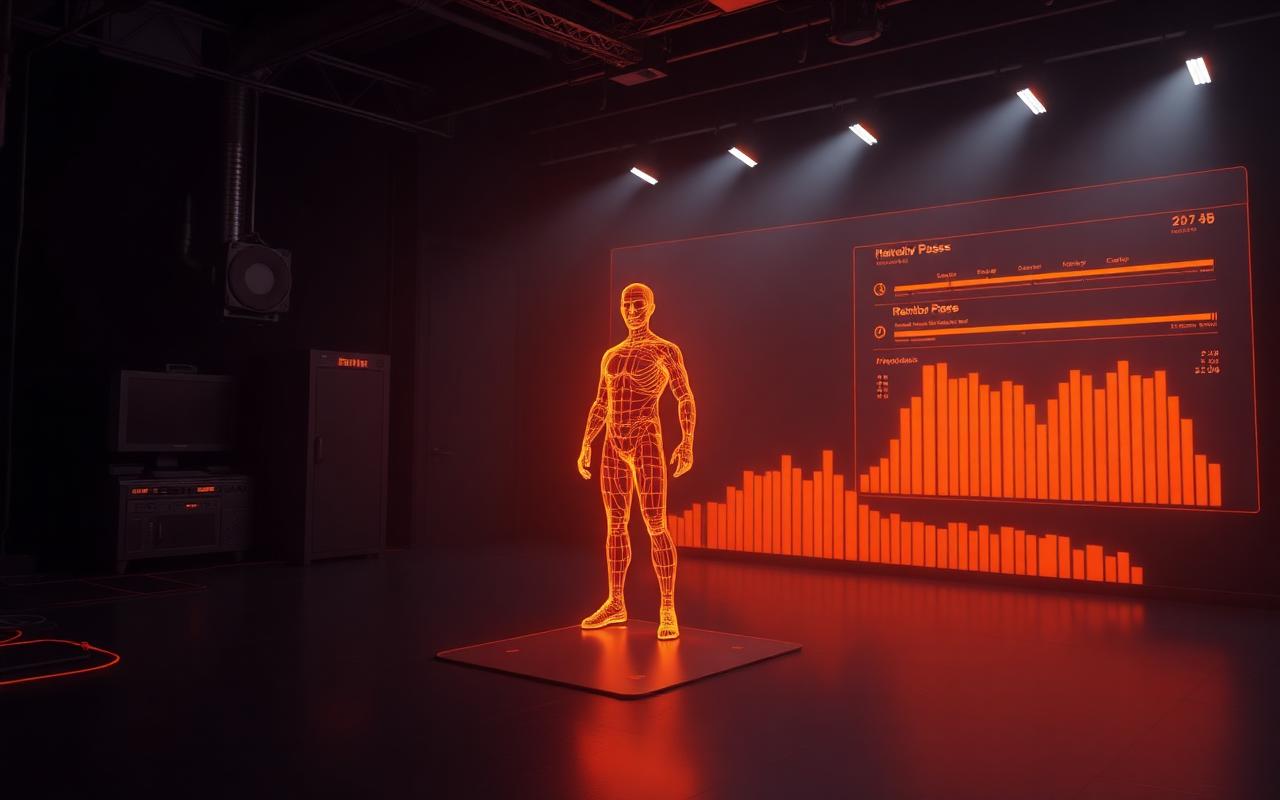
Why 3D Animation Studios are Switching their Review Workflow in 2026
A vague animation note triggers a guess, a re-render, and an export. Two rounds of this on a single shot can cost a week. Here is how frame-accurate, annotated review changes 3D production.
.png)
Real-Time Video Review: Why Creative Teams Are Ditching Email Threads
Email has no concept of timecode. A note like 'the logo entrance feels slow' could mean four different technical problems. Here is why purpose-built real-time review is replacing the old feedback loop.

The Complete Guide to Video Review Workflows in 2026
Everything creative teams need to know about structuring, running, and scaling a video review process, from rough cut to final sign-off, without losing weeks to revision loops.
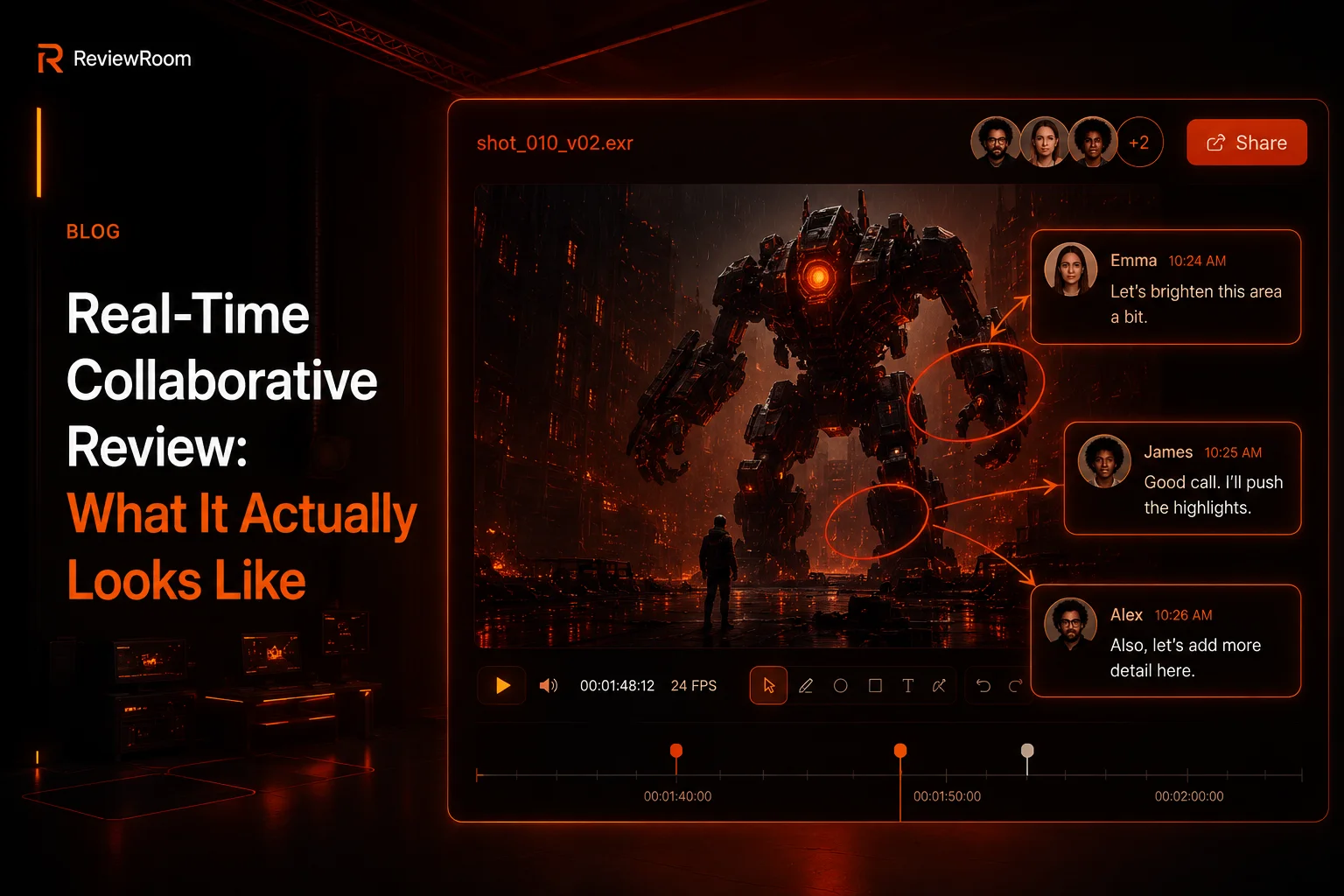
Real-Time Collaborative Review: What It Actually Looks Like
Most revision cycles are not a creative problem. They are a communication infrastructure problem. Here is what it looks like when you fix the infrastructure.
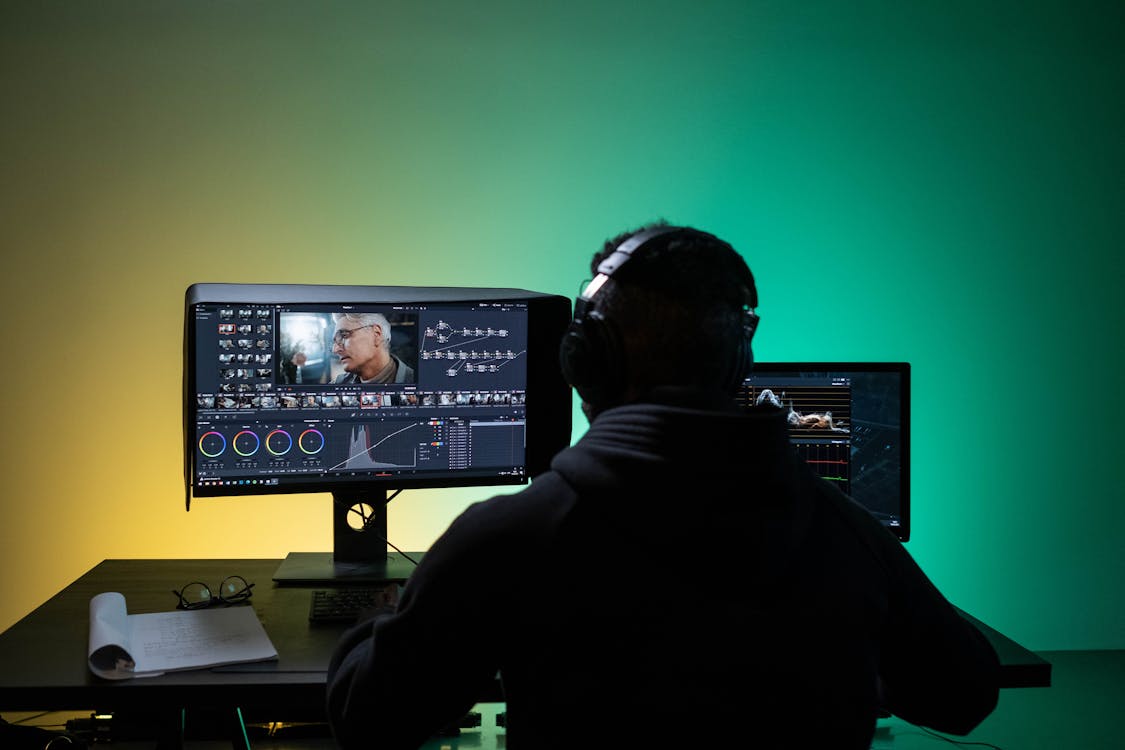
Video Watermarking Best Practices for Creative Agencies
Pre-launch leaks cost more than most agencies realise. This guide covers visible vs. forensic watermarks, what your watermark should say, and how to make watermarking automatic across every client review.

Replacing 6 Tools With One: The ReviewRoom Stack Consolidation Guide
Creative teams running email, Zoom, cloud storage, Frame.io, Handbrake, and Asana for a single review cycle can consolidate all six into one platform. Here is exactly how ReviewRoom replaces each one and what it saves.